
What to Check When Buying a Used Shipping Container in South Africa?
Shipping containers have become one of the most versatile and cost-effective storage and transport solutions in South Africa. Whether you’re using one for business, storage, or conversion into an office or home, buying a used shipping container can save you thousands compared to a new unit.
However, before you make that purchase, it’s essential to know what to look for. Used containers can vary greatly in condition, lifespan, and suitability for your needs. In this guide, we’ll walk you through what to check when buying a used shipping container in South Africa and how to ensure you’re getting the best value for your money.
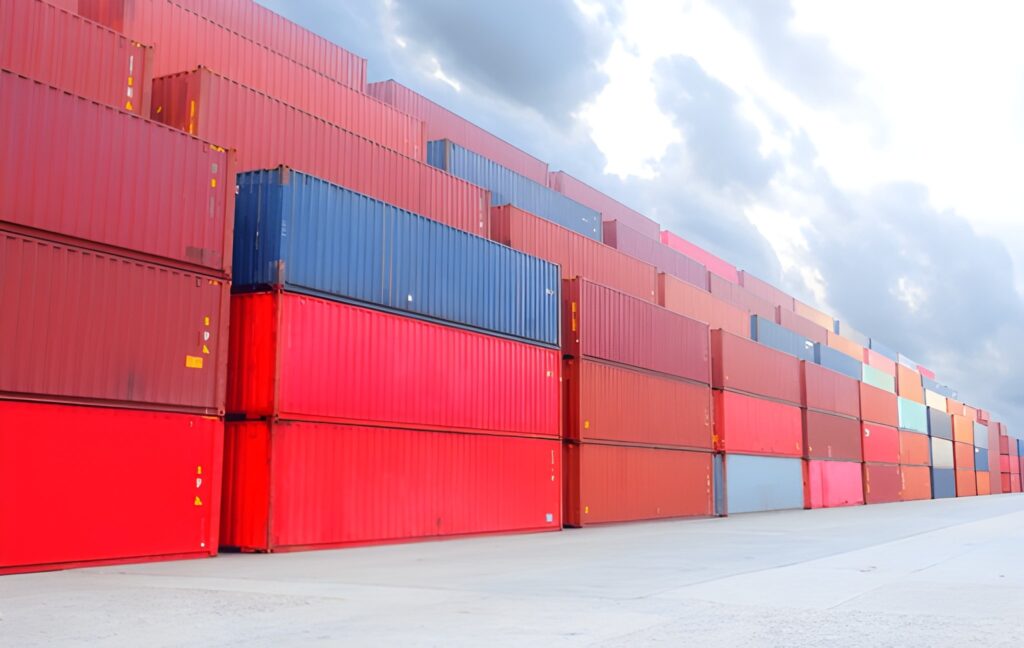
1. Check the Container’s Overall Condition
Start by inspecting the exterior and interior condition of the container. Look for any visible dents, rust spots, or structural damage that may affect durability. Some surface rust is normal, especially on older containers, but deep corrosion or holes can compromise strength and water tightness.
- Exterior walls: Should be free of large dents and rust patches.
- Roof: Inspect carefully for sagging or holes where rainwater might collect.
- Interior: Look for signs of water leaks, rust streaks, or light entering through cracks.
If possible, visit the seller’s site to perform a physical inspection before committing to a purchase. Reliable suppliers of used shipping containers in South Africa will allow you to view the unit in person or share detailed condition reports with images.
2. Verify Wind and Watertight (WWT) Status
When buying a used container, always confirm that it’s wind and watertight (WWT). This certification ensures the container is sealed against external weather elements no leaks, cracks, or gaps.
To check this, step inside the container during daylight hours, close the doors, and look for light entering through holes or worn seals. If you notice any light beams, that’s a sign of compromised integrity.
Containers that are WWT-certified are ideal for storage, transport, and modification projects such as container offices or pop-up shops.
3. Inspect the Doors and Locking Mechanisms
The doors are one of the most important parts of a container. They must open and close smoothly and form a tight seal when locked.
Check for:
- Door gaskets – Rubber seals should be intact and flexible.
- Locking rods – Make sure they move freely without jamming.
- Hinges – Look for rust buildup or seized hinges.
If the doors are difficult to open, it could indicate frame distortion or misalignment, often caused by rough handling or corrosion at the base.
4. Review the CSC Plate and Container History
Every genuine shipping container comes with a CSC (Container Safety Convention) plate, usually welded near the doors. This plate includes essential information such as:
- Manufacturer’s details
- Serial number
- Date of manufacture
- Maximum weight limits
- Approval date
The CSC plate helps verify the container’s authenticity and previous usage. Containers that have recently expired CSC certification are generally sold for storage or modification not for international shipping.
Knowing a container’s background gives you insight into how often it was used, where it traveled, and its maintenance history.
5. Evaluate the Floor Condition
Most shipping containers feature marine-grade plywood floors, which can degrade over time. When inspecting:
- Look for rot, oil stains, or delamination.
- Step on different sections to feel for soft spots.
- Ensure the floorboards are securely fastened and not warped.
If the floor shows heavy wear, you might need to replace it especially if you plan to use the container for food storage, living space, or sensitive goods.
6. Check for Structural Modifications or Repairs
Some used containers have undergone repairs or modifications. While this isn’t necessarily bad, you should be aware of any changes to ensure they meet your requirements.
Inspect areas with welded patches or reinforcements. Ask the seller whether these repairs were performed professionally and whether they affect the container’s watertight rating.
For conversion projects, make sure the container’s frame and walls are structurally sound enough to support additional openings, windows, or extensions.
7. Confirm the Supplier’s Reputation
When purchasing a used container in South Africa, it’s vital to buy from a trusted supplier with transparent pricing, honest condition descriptions, and after-sales support.
Look for suppliers that:
- Offer inspection reports or photos of the actual container.
- Have positive reviews and verifiable business details.
- Provide delivery and offloading services to your location.
A reputable supplier will guide you through the process and help you choose a container that matches your budget and intended use.
8. Consider Your Intended Use
Before buying, think about how you plan to use the container this determines the condition and type you should buy.
- For storage: A wind and watertight used container is sufficient.
- For export shipping: You’ll need a CSC-certified cargo-worthy unit.
- For conversion projects: Choose a container with minimal dents and rust for easier modifications.
Planning your purpose upfront ensures you buy a container that lasts and fits your goals without unnecessary repairs.
9. Check Delivery and Placement Options
Finally, discuss delivery and placement logistics before making the purchase. Containers are heavy and require proper space for offloading. Ensure the supplier can:
- Deliver to your site in South Africa.
- Provide the right equipment for offloading (crane truck or tilt trailer).
- Advise on placement (level ground and accessibility).
Having this sorted out early prevents delays and damage during delivery.
Buying a used shipping container in South Africa is a smart, budget-friendly choice but only if you know what to look for. Inspecting for rust, watertight integrity, floor condition, and overall structure will save you from costly surprises later on.
At Container Hub we offer high-quality new and used shipping containers for sale and rent across South Africa. Our containers are thoroughly inspected, wind and watertight, and available in various sizes with fast, reliable delivery nationwide.
If you’re ready to find the right container for your project or business, contact us today for a free quote!